
Student
Early Software Engineering
Self-directed FreeCodeCamp curriculum that turned a design background into full-stack JavaScript engineering.
Client: freeCodeCamp
Year: 2016
Team: 1
Crossed from interior design into software.
.jpg&w=3840&q=75)
WD.2 / Figure //
Full-Stack JavaScript Foundation
Used the FreeCodeCamp curriculum as a self-directed bridge from design into engineering, turning JavaScript, DOM manipulation, Node.js, OAuth, algorithms, and data structures into shipped interface work. The mobile mockups support the story because this was never just tutorial completion: each exercise became a finished product surface, proving I could learn the system, shape the experience, and carry it through to working code.
.jpg&w=3840&q=75)
WD.3 / Figure //
Design Background Applied to Engineering
Brought an OCAD design background into the code from the beginning, treating layout, hierarchy, interaction, and polish as engineering requirements rather than decoration. These early screens show the pattern that kept showing up later in client work: start with the user experience, understand the constraints underneath it, and make the implementation feel intentional instead of assembled.
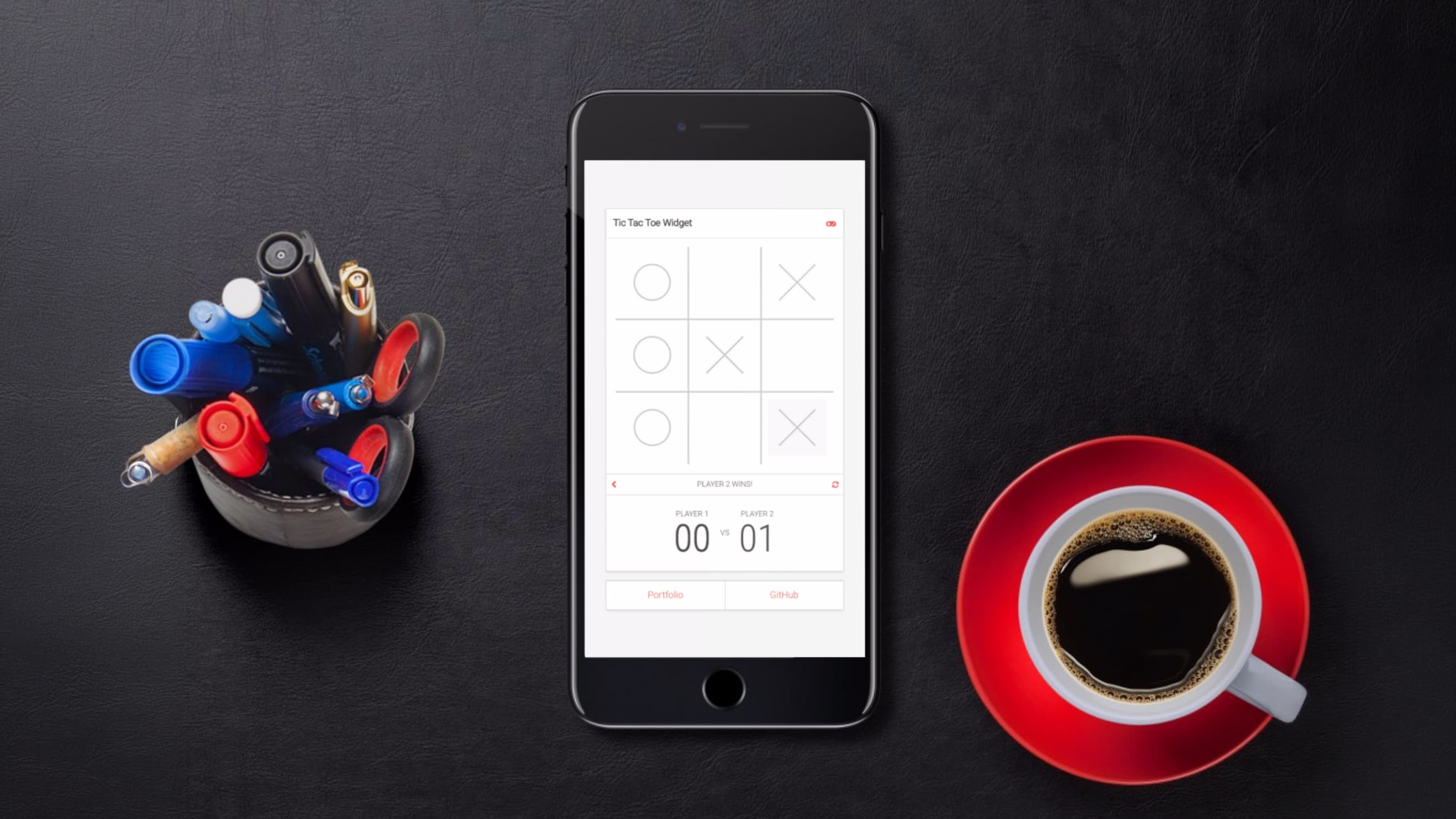
WD.4 / Figure //
Game Logic, Timers, and Everyday Tools
Built small games and utility apps to practice the product behavior that still matters in larger systems: state, timing, input handling, conditional logic, feedback loops, and error recovery. Tic Tac Toe, Simon Says, the Pomodoro timer, calculator, and weather widget became a compact proving ground for the same muscle used later on production teams: translate an expected experience into dependable interface logic.
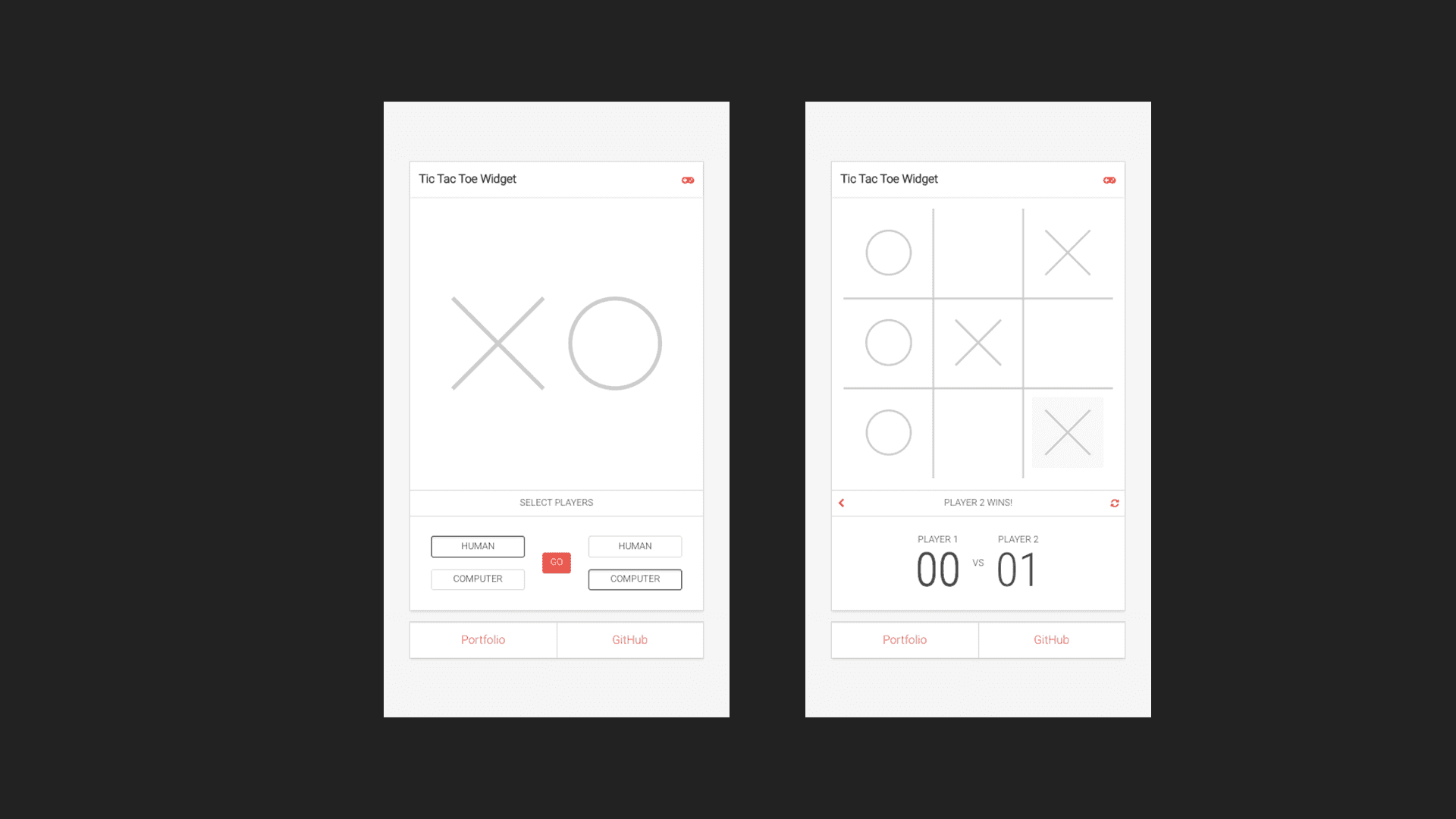
WD.5 / Figure //
Early Software Engineering — Mobile Project Mockups
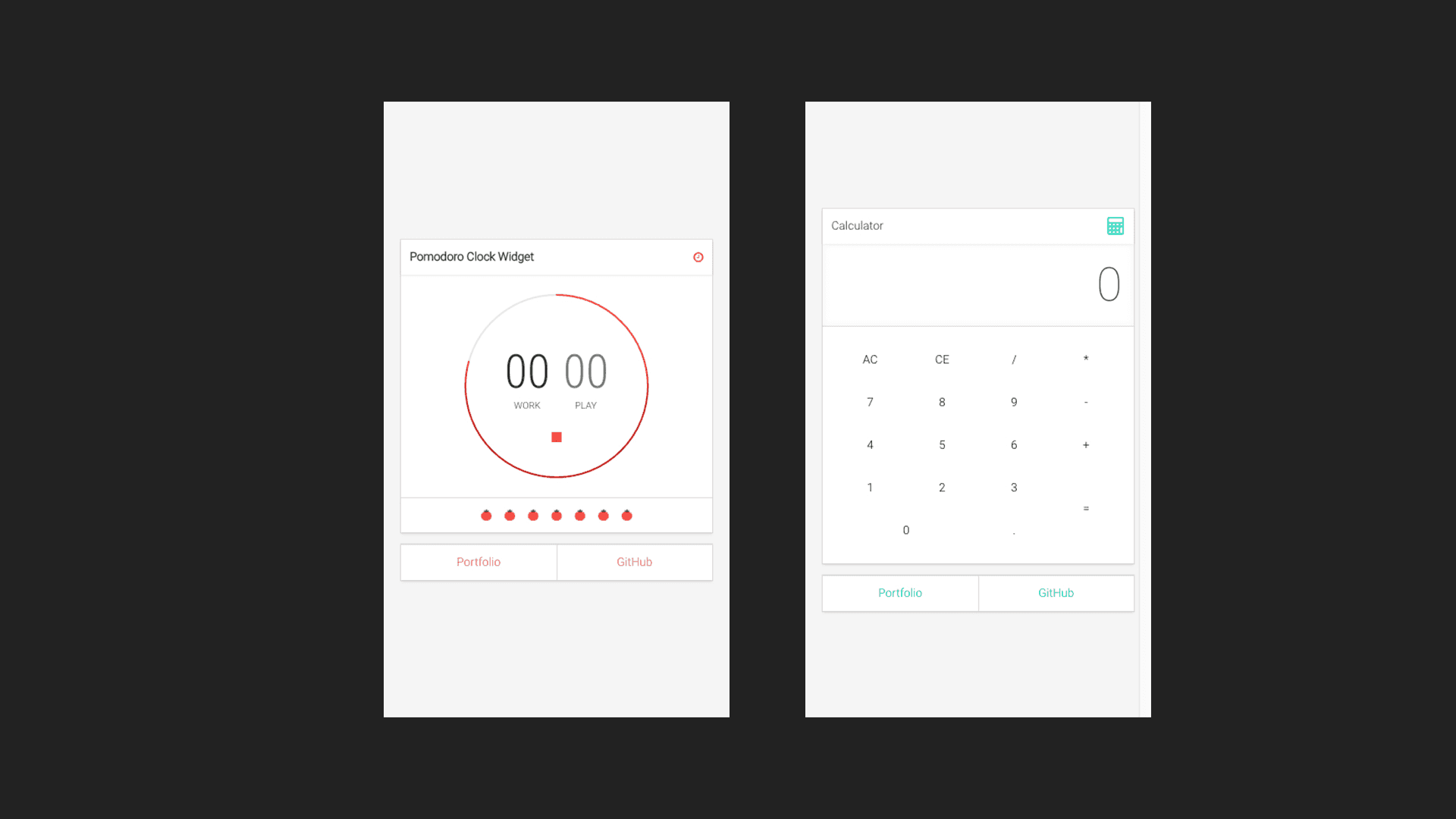
WD.6 / Figure //
Early Software Engineering — Mobile App Interfaces
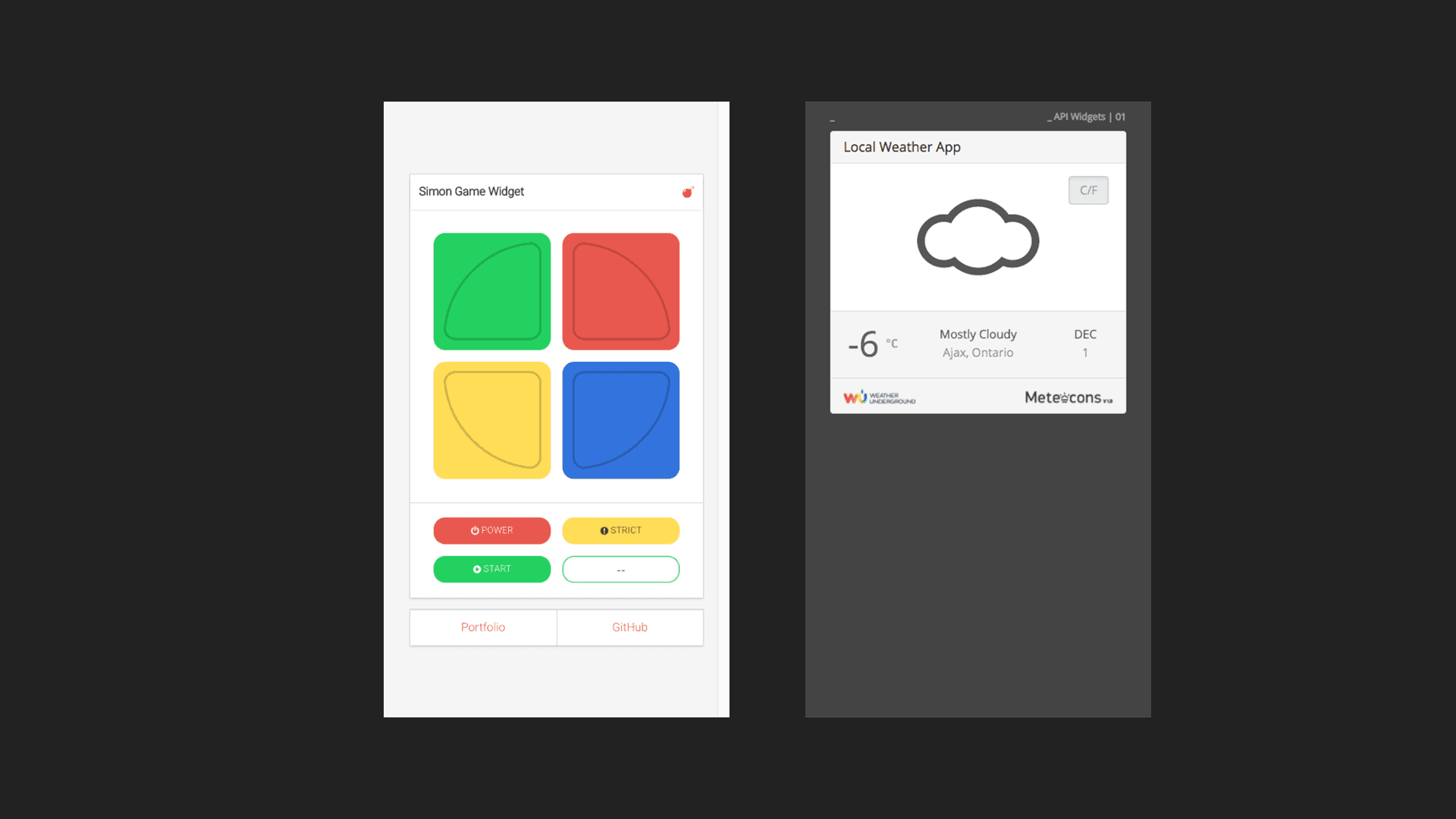
WD.7 / Figure //
Early Software Engineering — Mobile Game and Utility Apps
Get in Touch
I'm based in Toronto, Canada. Open to roles where engineering and product need to work closely together.